

In today’s fast-paced digital world, the demand for speed, efficiency, and reliability has transformed how goods and information are delivered. Traditional courier systems, once reliant on manual processes and limited tracking, are rapidly being replaced by innovative solutions known as digital courier services. These modern platforms combine technology, automation, and real-time data to provide seamless delivery experiences for individuals and businesses alike. Whether you are ordering products online, sending important documents, or managing logistics for a growing e-commerce store, digital courier services are becoming an essential part of everyday life. This article explores what a digital courier is, how it works, its benefits, and why it is shaping the future of logistics.
What Is a Digital Courier?
A digital courier refers to a delivery service that uses advanced technology, software platforms, and internet-based systems to manage and execute the transportation of goods. Unlike traditional courier services, which often rely heavily on manual coordination and limited communication tools, digital courier systems integrate mobile apps, GPS tracking, artificial intelligence, and cloud-based systems to streamline operations. Customers can place orders, track shipments in real time, receive notifications, and communicate with delivery personnel—all from their smartphones or computers. This digital transformation has made courier services faster, more transparent, and highly efficient.
How Digital Courier Services Work
Digital courier services operate through integrated platforms that connect customers, businesses, and delivery agents. When a user places an order online, the system automatically assigns the nearest available courier based on location data and delivery requirements. The courier receives the task through a mobile application, which provides navigation, customer details, and delivery instructions. Real-time tracking allows customers to monitor their packages throughout the journey, while automated notifications keep them informed of every step. Payment systems are also integrated, enabling secure online transactions. This entire process reduces human error, improves efficiency, and ensures faster delivery times compared to traditional methods.
Benefits of Using a Digital Courier
One of the biggest advantages of digital courier services is speed. With optimized routing and real-time updates, deliveries are completed much faster than conventional systems. Another key benefit is transparency, as customers can track their shipments at every stage, eliminating uncertainty. Digital couriers also offer enhanced security, with features such as digital signatures, OTP verification, and secure payment gateways ensuring safe transactions. For businesses, these services provide scalability, allowing them to handle increasing order volumes without compromising efficiency. Additionally, digital courier platforms often use data analytics to improve performance, reduce costs, and enhance customer satisfaction.
Digital Courier vs Traditional Courier
The difference between digital and traditional courier services lies mainly in their use of technology. Traditional courier systems often involve manual booking, limited tracking, and slower communication, which can lead to delays and errors. In contrast, digital courier services rely on automation, real-time tracking, and data-driven decision-making to provide a superior experience. While traditional couriers may still be useful in certain areas, digital solutions are quickly becoming the preferred choice due to their convenience, speed, and reliability. Businesses, especially in e-commerce, are increasingly adopting digital courier platforms to stay competitive in a rapidly evolving market.
Role of Digital Courier in E-Commerce
E-commerce has experienced explosive growth in recent years, and digital courier services have played a crucial role in supporting this expansion. Online shoppers expect fast, reliable, and transparent delivery, and digital couriers meet these expectations effectively. Features such as same-day delivery, real-time tracking, and automated notifications enhance the customer experience and build trust. For online businesses, digital courier platforms offer integration with e-commerce systems, allowing seamless order processing and inventory management. This integration not only improves efficiency but also reduces operational costs, making it easier for businesses to scale and succeed.
Security and Reliability in Digital Delivery
Security is a major concern in logistics, and digital courier services address this through advanced technology. Features like encrypted transactions, digital proof of delivery, and identity verification ensure that packages reach the right recipients safely. Real-time tracking also reduces the risk of lost or misplaced shipments, as both customers and service providers can monitor the delivery process. Additionally, digital courier platforms often include customer support systems that provide quick assistance in case of issues, further enhancing reliability and trust.
Future of Digital Courier Services
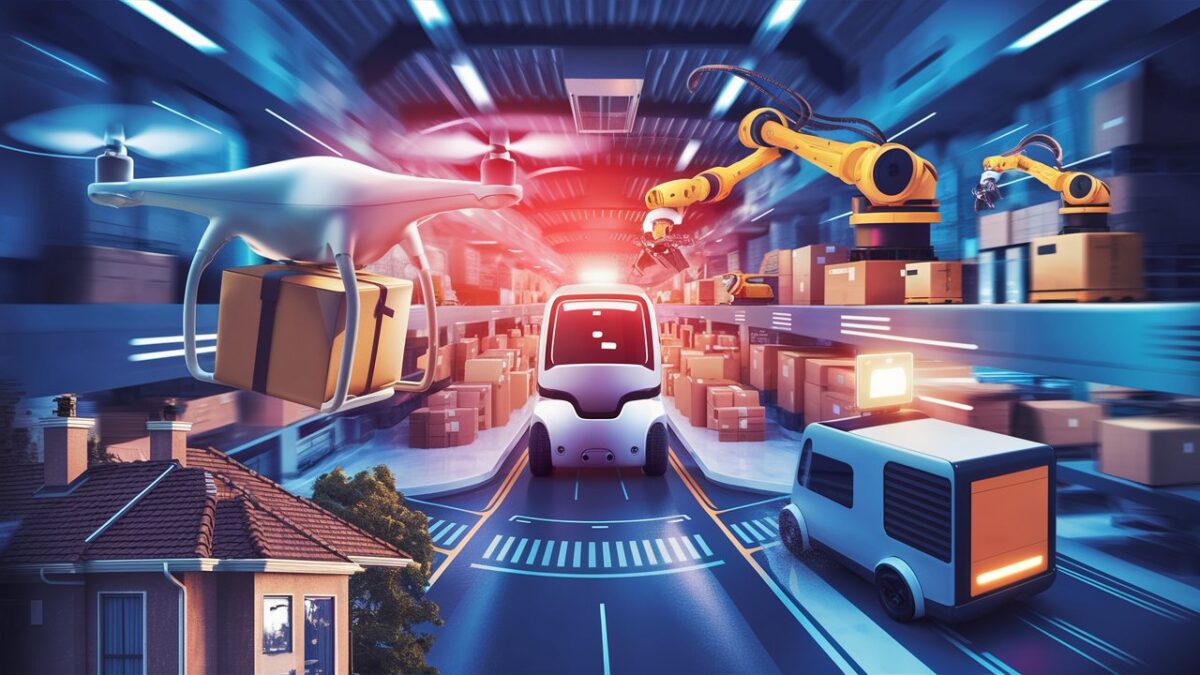
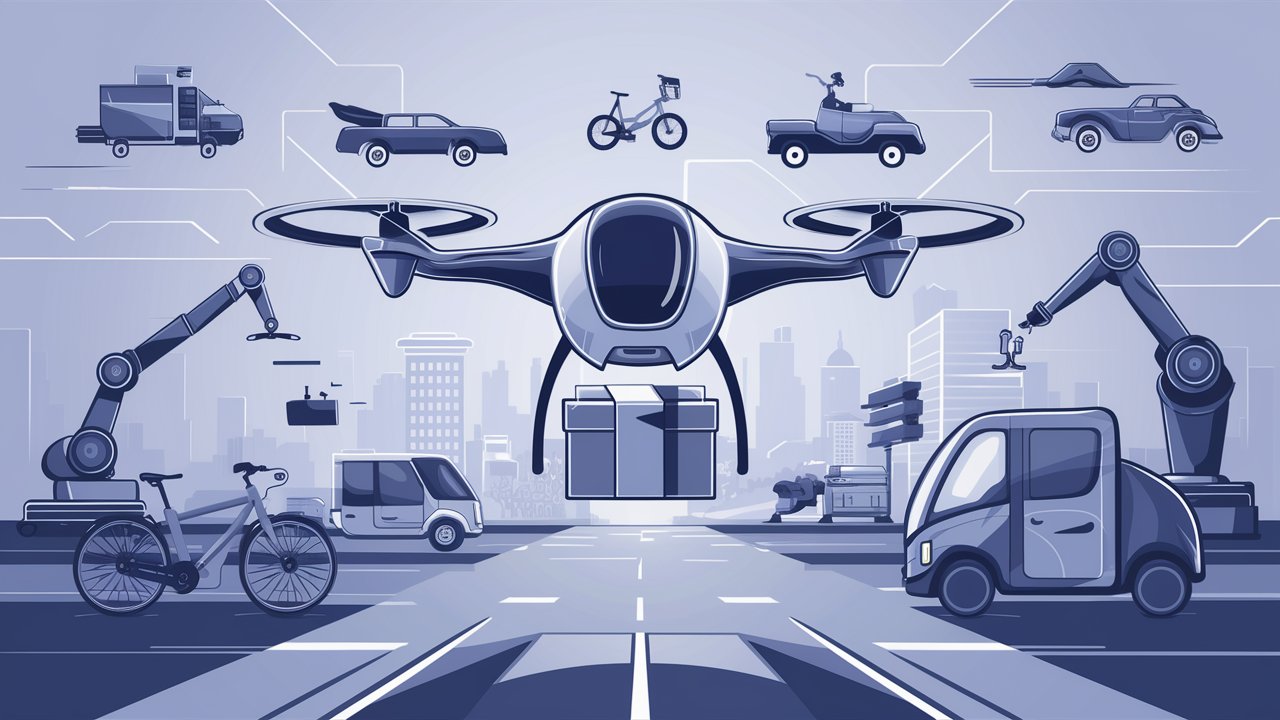
The future of digital courier services looks promising, with continuous advancements in technology driving innovation. Artificial intelligence and machine learning are being used to optimize delivery routes and predict demand patterns. Drones and autonomous vehicles are also being explored as potential solutions for faster and more efficient deliveries. As sustainability becomes a global priority, many digital courier companies are adopting eco-friendly practices such as electric vehicles and optimized routing to reduce carbon emissions. These developments indicate that digital courier services will continue to evolve and play a vital role in the logistics industry.
Conclusion
Digital courier services have revolutionized the way goods are delivered, offering unmatched speed, transparency, and efficiency. By leveraging advanced technology and data-driven systems, these services provide a seamless experience for both customers and businesses. As e-commerce continues to grow and customer expectations rise, digital courier platforms will become even more essential in meeting the demands of modern logistics. Whether you are an individual looking for reliable delivery or a business aiming to improve operations, adopting digital courier solutions is a smart and future-ready choice.
FAQs
1. What is a digital courier service?
A digital courier service is a technology-driven delivery system that uses online platforms, mobile apps, and real-time tracking to manage shipments efficiently.
2. How is a digital courier different from a traditional courier?
Digital couriers use automation, GPS tracking, and online systems, while traditional couriers rely more on manual processes and limited tracking.
3. Are digital courier services safe?
Yes, they are highly secure, offering features like encrypted payments, real-time tracking, and digital proof of delivery.
4. Who can use digital courier services?
Both individuals and businesses, especially e-commerce stores, can benefit from digital courier services.
5. What are the main advantages of digital courier platforms?
The main advantages include faster delivery, transparency, cost efficiency, and improved customer experience.